Growth expert leaderboard · Expert

Jake Mor

· LinkedIn

13 insights on Monetization, Strategy and Lifecycle Marketing from 4 talks and podcasts, each with the quote and a link to the moment it was said.

Is this you? Suggest an edit

Monetization

Monetization

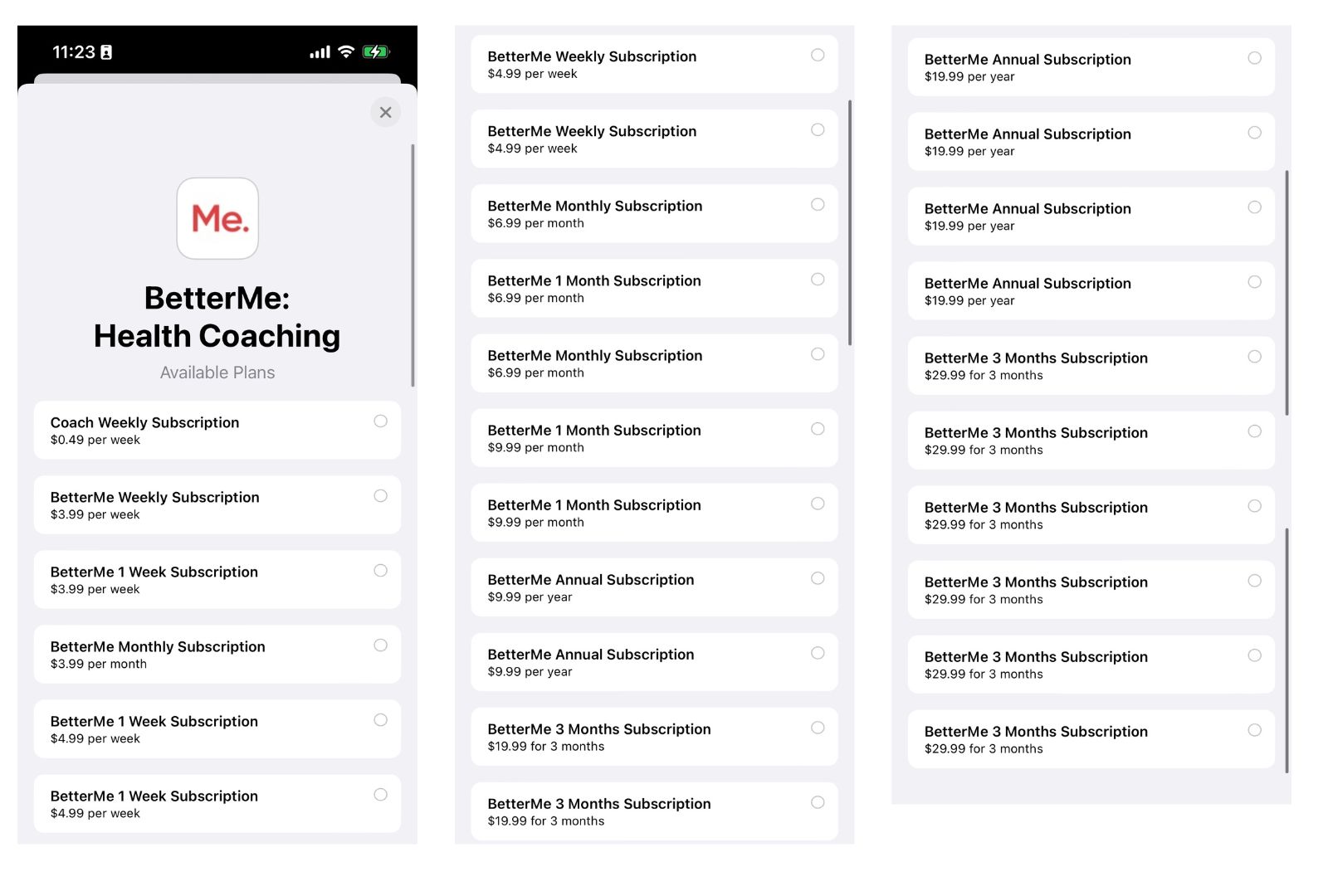
Multiple prices showing in the App Store subscriptions is a non-issue. Developers always think it’s a big deal, but it’s not.

Mastering mobile pricing experiments: Proven tactics for revenue growth · Featured in Growth Gems #98
Sylvain's take:

This is not the big deal you think it is

Keya mentioned that customer support would let customers know those prices were deprecated. Plus, for the prices you’re not currently using for “price sequencing” (discounts over time or usage), you can increase the prices for new subscribers so they at least show with the same price in “See all plans”.

Monetization

If you have just launched, you should work on your product until your subscription retention flatlines (which indicates you’ve built a retentive product) before starting pricing experiments.

Mastering mobile pricing experiments: Proven tactics for revenue growth · Featured in Growth Gems #98
Sylvain's take:

I love this advice. Jake also mentioned he prefers working on pricing once it’s a low-hanging fruit.

Does it mean you need to wait more than a year? No. Well, maybe, but you could also start by offering only a monthly plan to help you see how people churn first (this is one of my favorite gems from Matthieu Rouif - CEO at PhotoRoom, shared in Growth Gems #53).

The downside of having only a monthly plan at first is less cash upfront than if you also had a yearly, which might make running paid acquisition campaigns challenging.

Monetization

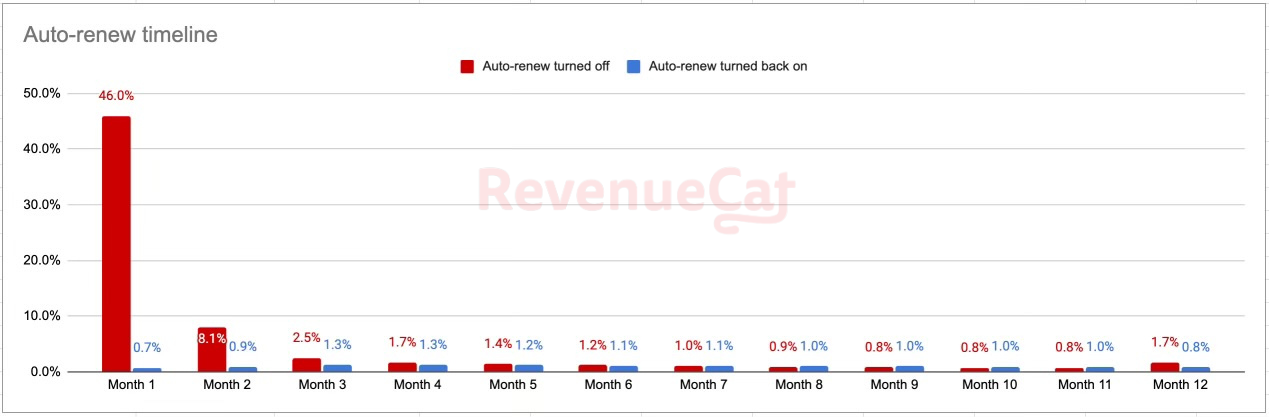
You need indicators of success so you can predict what LTV might be. Example: track the “opt-out” rate (turn auto-renew off) within 24 hours to get a sense of how much the renewals will drop.

Mastering mobile pricing experiments: Proven tactics for revenue growth · Featured in Growth Gems #98
Sylvain's take:


If you’re A/B testing with yearly plans, looking at the volume and distribution of people turning auto-renew off is an interesting proxy to help with decisions.

David shared that according to RevenueCat data, many annual subscriptions that end up churning are subscriptions where auto-renew was turned off in the first month.

Source: RevenueCat data

Monetization

To be able to detect the lift in revenue when running a price experiment, you should be at least around the 1k-5k start trials a month

Mastering mobile pricing experiments: Proven tactics for revenue growth · Featured in Growth Gems #98
Sylvain's take:

The point is that there is a threshold to reach before it makes sense to price test. If you haven’t reached it, focus on radical tests (without A/B testing.

Keya explained that if you’re early stage, you should start by anchoring your price to your competitors’ or similar apps’ average price. Once you get bigger and have enough experimentation sample size, THEN you can test raising your price (but grandfather early bird users in!).

Monetization

To test a new tier, you do not need to change any business logic.

  • Display the new higher price point on the paywall, along with the previous one. Say that the higher price point includes all features, and the lower price point includes only some of them
  • Give access to everything for both tiers
  • Tag the entry points from each locked feature that triggers the paywall, so you can see in your analytics which ones have more demand and are leading to the most revenue

Mastering mobile pricing experiments: Proven tactics for revenue growth · Featured in Growth Gems #98

Sylvain's take:

Jake gave this example: Imagine you have a fitness app with $5/month and $30/year on the paywall. Remove the monthly price, and instead add a $59.99/year as a higher tier with more features (including a “personalization feature”). If the “personalization feature” is the one that leads to more people converting to the $59.99/year plan on the paywall, then it should be part of the higher tier. Compare each premium feature this way to be able to rank them.

If you’re in a big organization, Jake recommends finding single contributors and giving them the autonomy to launch experiments like these.

Essentially, this is the quantitative complement to the “rank feature” qualitative analysis you could do in a willingness to pay research.

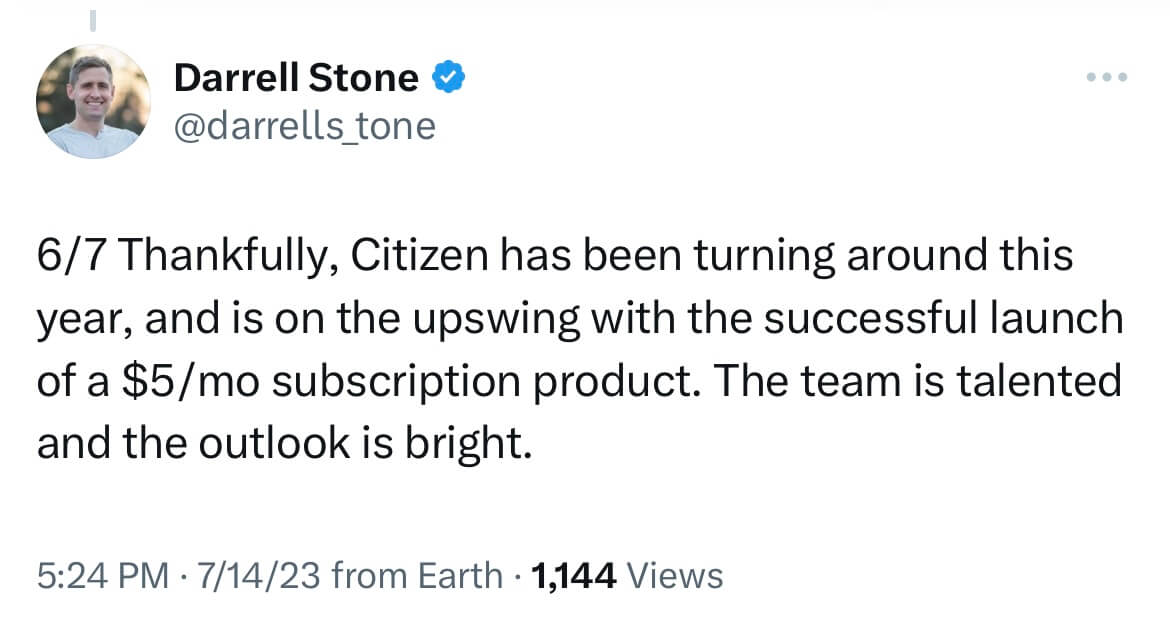
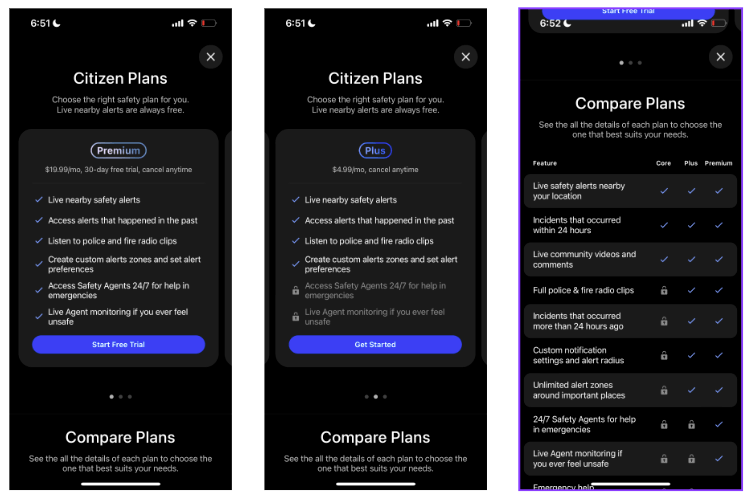
Only a few apps have multiple tiers. Citizen recently added one, and it was actually a lower tier (no free trial). A smart way to monetize a higher percentage of users? You can then play around with which plans you push to which users.

Link to thread

Monetization

People don’t realize that LTV is an average, not a measure of central tendency: you don’t know where most of your users fall. Some people are generating 2x or 3x, but some people are canceling after a month. The users that subscribe to lifetime are most likely to be the ones that would have stayed longer to begin with, and so Lifetime is likely to bring your LTV down.

Paywall Optimization and Best Practices · Featured in Growth Gems #65

Sylvain's take:

⛏️ Going Deeper: if you’ve missed Growth Gems #56, Eric talks about LTV for “tourists” vs. “locals” 👇

Growth Gems
💎 Growth Gems #56 - Revenue Growth, Paid UA and ASO
Subscribe to get the Growth Gems newsletter every other Tuesday👇 Hi there, This week I’m sharing gems on keyword optimization, creative testing and subscription apps. These insights come from Ryan Kelley, Eric Crowley and the Traplight team…
Read more

During their discussion about lifetime, Jake also mentioned the book Priceless: The Myth of Fair Value. I haven’t read it yet but it looks worth it if you’re involved in revenue growth.

Monetization

Most apps go freemium to try and get conversions from users that don’t know them, but a fantastic paywall is a better solution. This is especially true if you’re losing out on signups because they don’t reach the aha moment: it’s better to at least have them see a paywall that will explain what the app does well.

Paywall Optimization and Best Practices · Featured in Growth Gems #65

Monetization

Almost all app companies do not focus on a very important metric: the percentage of users seeing the paywall.

Paywall Optimization and Best Practices · Featured in Growth Gems #65

Sylvain's take:

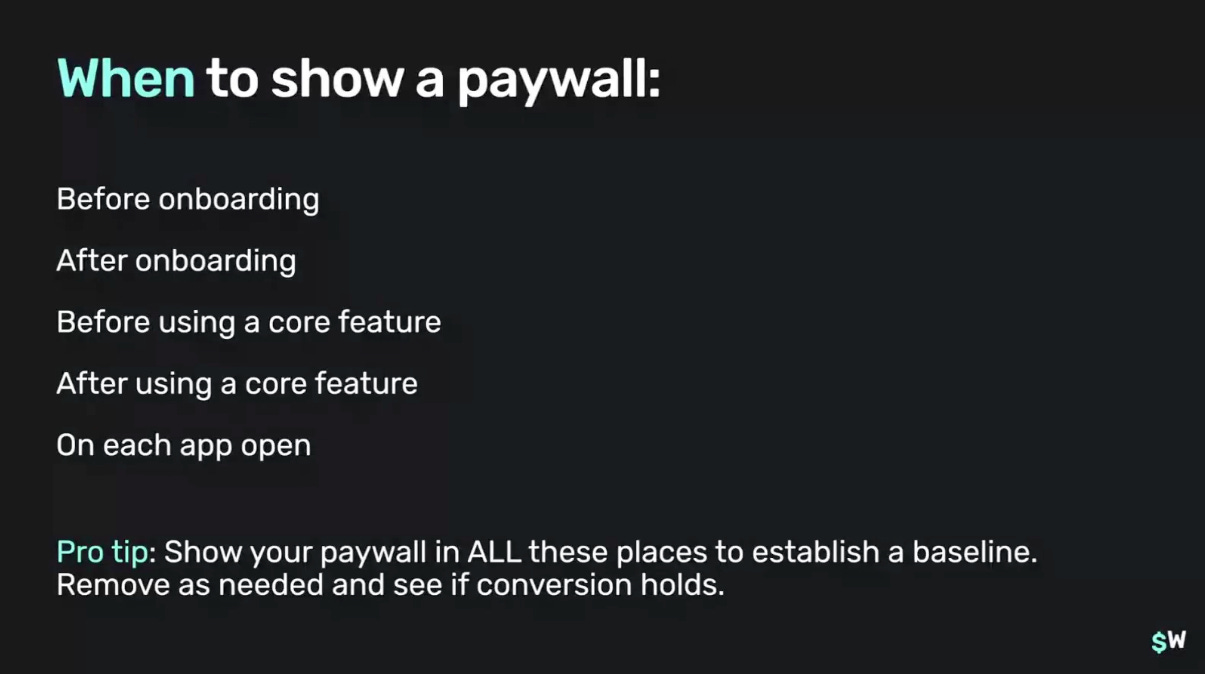
⛏️ Going Deeper: at least at first, Jake recommends to show your paywall in all the different places below, so that you can establish a baseline. Then, remove as needed and see if conversion holds.

If you’re getting too much drop off on the paywall pre-onboarding (i.e. you’re scaring users away), then allow an easy way out by making the exit button on that one more apparent (e.g. you can have a “not now” button right under your CTA).

Strategy

Strategy

When you launch your app, it’s the worst it will ever be. So start by locking your entire app (with a free trial) to get the users that have enough of a pain point to be willing to pay for that app. Those are the early users you want to be building for.

Webinar: The Process to Finding PMF by fmr Founder PM at ByteDance/TikTok, Andrew Oh at 13:26 · Featured in Growth Gems #101

Sylvain's take:

Interesting advice here from Jake on how a hard paywall can help you focus on building for the right users so you can find PMF.

Strategy

Assigning a value to a free-retained user is very important. What is a user staying around without paying worth? This is particularly relevant for apps with a social component.

Mastering mobile pricing experiments: Proven tactics for revenue growth · Featured in Growth Gems #98
Sylvain's take:

Why social apps? Because they grow off a K-factor of organic growth, if D7 drops, it means less revenue.

If you’re in this case, then you’ll need to keep this as an additional input to your decision in addition to:

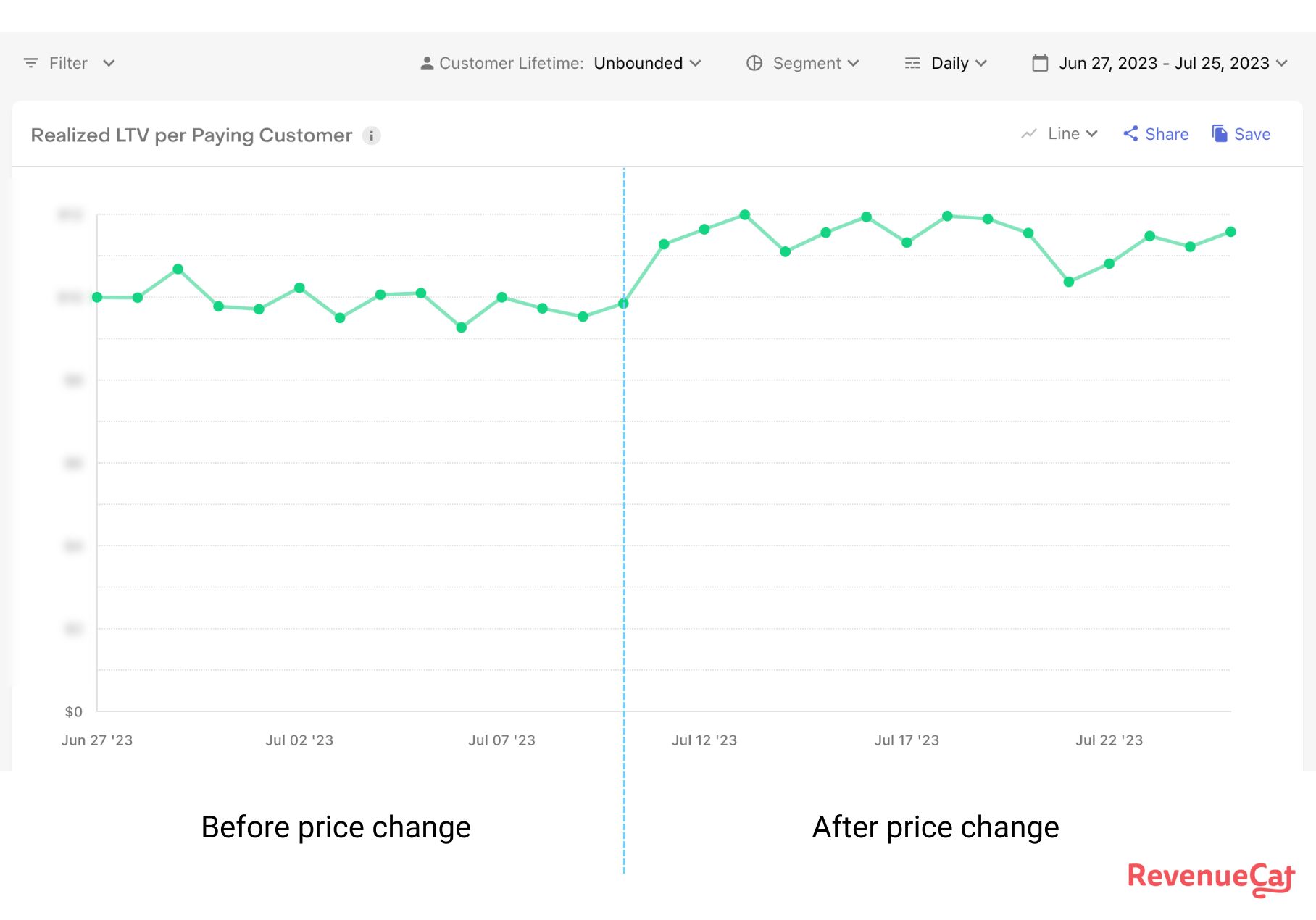
  • If you’re not A/B testing: the realized LTV per Customer comparison of the tested cohort vs. the previous period.

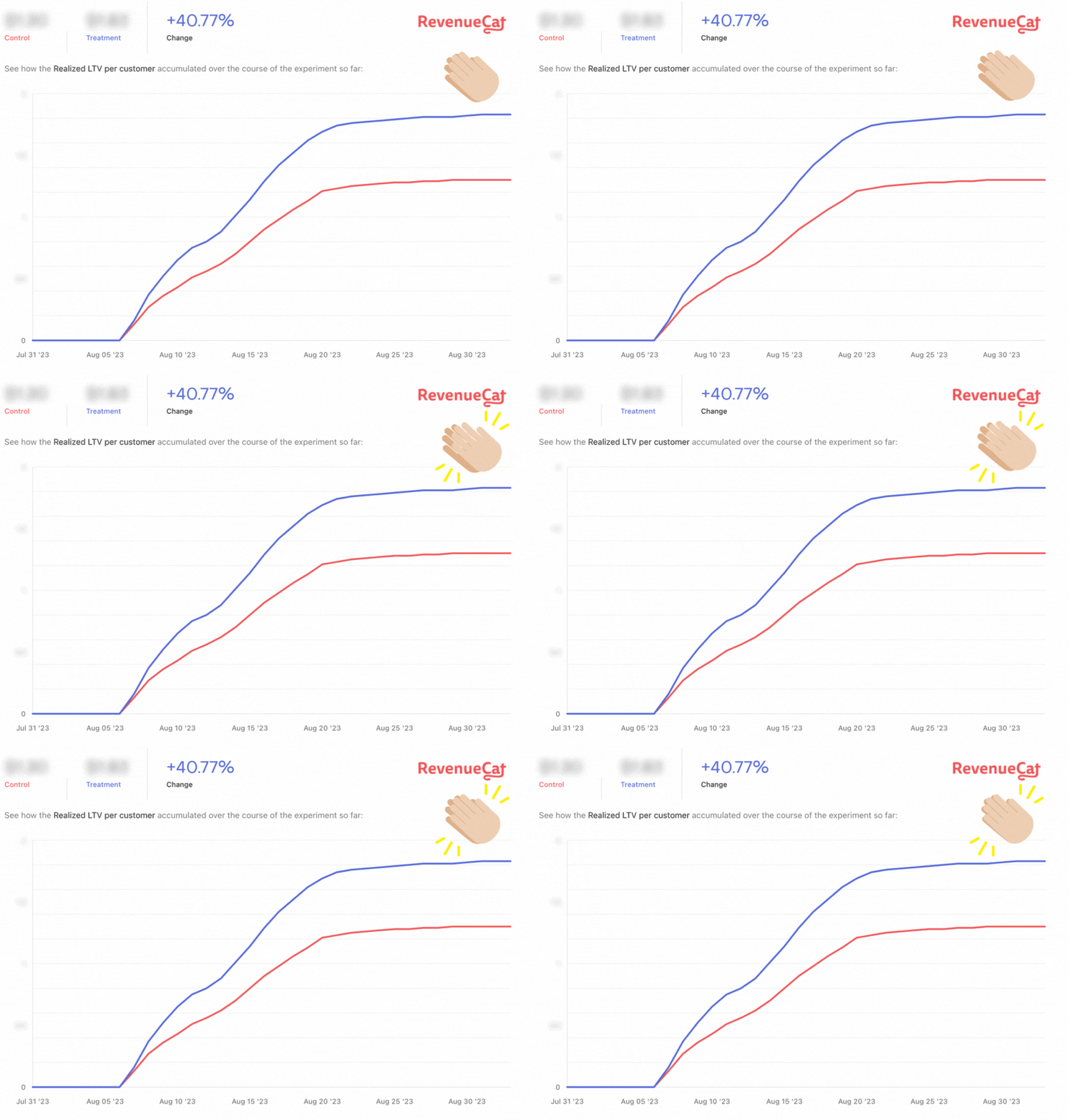
  • If you’re A/B testing: the realized LTV per Customer of each variant (if you’re A/B testing)

    I love this feature. Now we just want a more extended timeframe so we can watch results over at least a year #featurerequest


If you have yearly plans in the mix, how can you compare? Glad you asked 👇

Lifecycle Marketing