Growth Gems experts

Jason Cohen

WP Engine · LinkedIn

8 insights on Monetization, User Research and Onboarding and Activation from one talk or podcast, each with the quote and a link to the moment it was said.

Is this you? Suggest an edit

Monetization

Monetization

When growth stalls, the instinct is to ship a new feature and push harder on existing marketing channels. This almost never works if those channels are already saturated. Before defaulting to 'more features plus more ad spend,' explicitly audit which of your acquisition channels still have room to grow and which have hit their ceiling. If you can't answer that question, assume all of them are saturated.

"Do you know right now which channels are saturated and which aren't? If the answer is no, I'm like, well, okay, maybe that's because the answer is all. You know, that needs to change how you think. Just adding one little feature and then hoping we can flog AdWords is not going to work. Even if the feature is great, not going to work. So there's different things that could work, but that's not one of them. And yet, that's probably what we're doing. Let's add another feature and marketing can flog it is often the answer. But if you're in this state, that isn't the answer."

The surprising advice from a founder who built 2 unicorns | Jason Cohen (WP Engine) at 1:11:26 · Featured in Growth Gems #143

Sylvain's take:

How often do you get asked: “How many new subscribers / how much new revenue will this feature bring?” I hear this surprisingly often. Sadly, most of the time, a “killer” feature rarely becomes an antidote. So I start with a few very simple questions:

  1. What are the different features for? What metrics do you expect them to move?

    • Are you building a new feature because otherwise you’re not at parity with the competition, and users expect you to be?

    • Or does it unlock a new segment or a market and, hence, can help you scale customer acquisition? E.g., if you’re adding localization, or yoga exercises to a workout app, or a new language that users can learn? This would be a case when it can help you capture the existing demand if you can compete for it.

    • Or is it supposed to improve retention and word of mouth by “delighting” users?

    • Or maybe your users will start upgrading more often and be willing to pay more for it?

  2. Put your hypotheses and expectations in writing. It doesn’t have to be scientific, but it should be good enough for your team to understand the importance and the WHY behind building this vs that. I’d recommend having at least this section in your PRD docs, Pitches, or whatever you’re using internally.
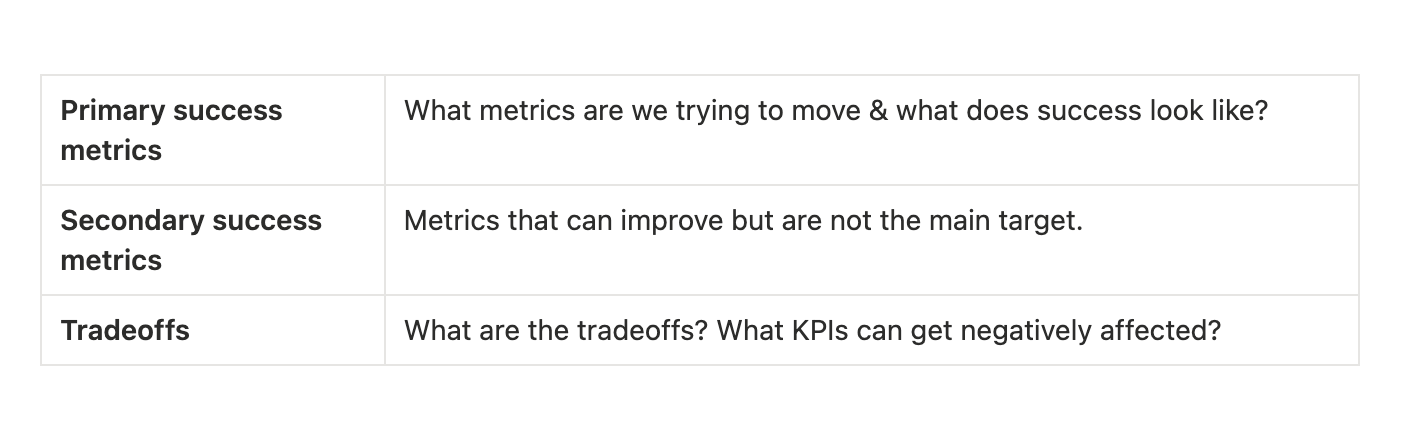
A very simple yet powerful thinking and writing exercise
Monetization

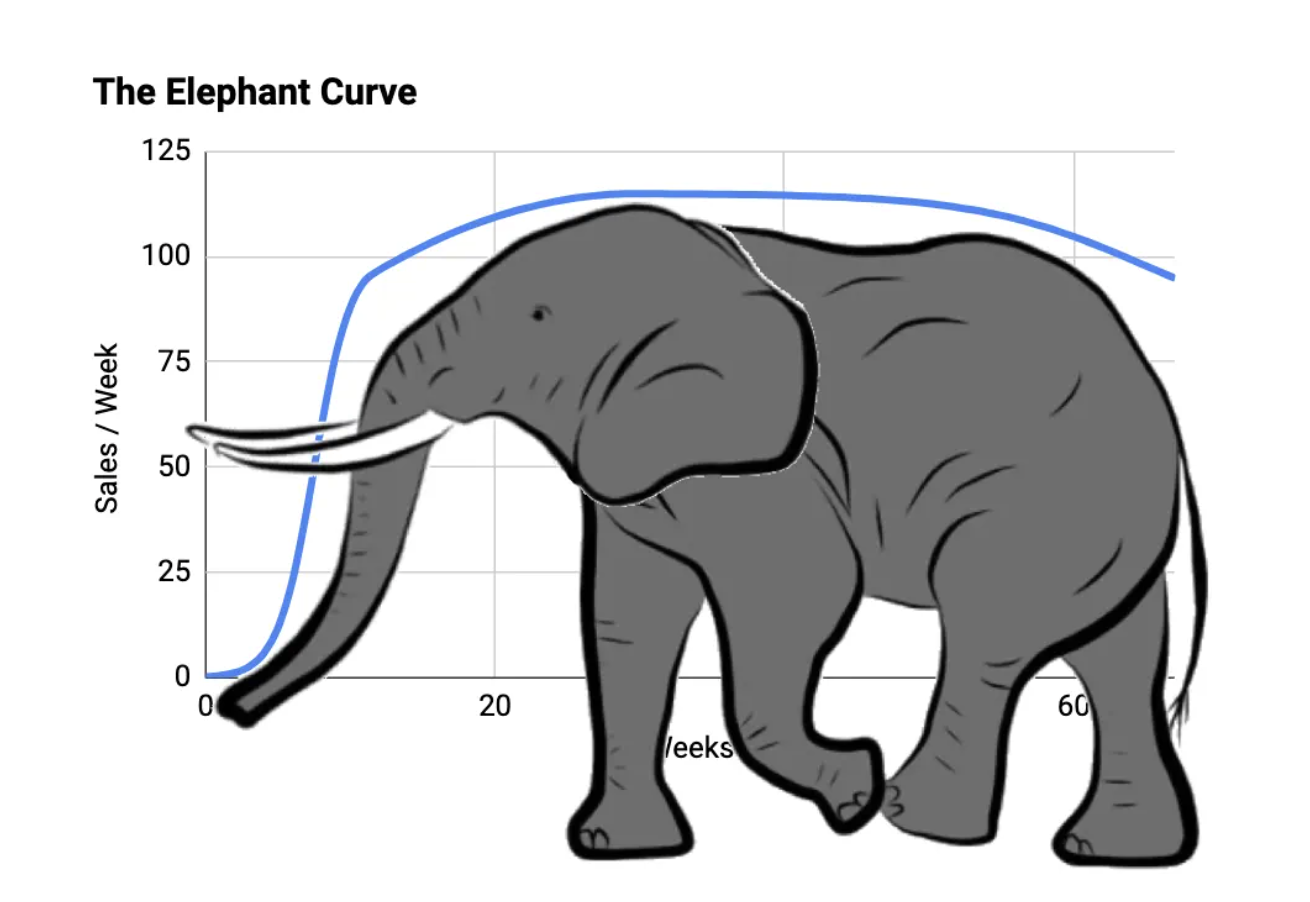
Cancellations can overpower the growth of the company and slow it to a halt. There's a ceiling on how big you can be because of the cancellations. And when you know what that number is, it's much more real and visceral and scary. Marketing output stays flat while cancellations scale automatically with your base -- this asymmetry is why churn wins if left unchecked.

"Cancellations grow faster than marketing and so cancellations overpower the growth of the company and slow it to a halt. There's a maximum ceiling of how big you could ever be thanks to cancellations. And when you know what that number is, it's much more real and visceral and scary. Just imagine any company and imagine you just tripled the number of customers that are there and paying. The next month, would marketing deliver more new customers than a month before? No, because marketing doesn't care how many customers you have. Adwords delivers the same number of leads. So you're still going to be growing at the same rate as you were the previous month, but cancellations in absolute terms will triple."

The surprising advice from a founder who built 2 unicorns | Jason Cohen (WP Engine) at 14:21 · Featured in Growth Gems #143

Sylvain's take:

I can only confirm this dynamics as I've observed it, sadly, too many times. This is exactly the situation when, just like in the Alice in Wonderland, one (i.e., marketing) has to run (i.e., deliver) twice as fast, just to stay in the same place. If customer acquisition can't be scaled profitably MoM (which depends on our ability to keep the CAC stable and ensure that the top and bottom of the funnel's performance is improving, which is close to impossible while scaling), the churn of existing subscribers, even if churn stays in check, can indeed outweight the acquisition effort. Because, realistically, if more customers in absolute numbers churn, you gotta compensate for it by bringing more in. And if we could do that, well, we'd already be doing this, right?

Monetization

Your churn rate is often a market problem, not a product problem. If you're selling to small businesses or consumers, high churn may be baked into the segment itself — businesses fold, projects end, priorities shift. Audit your ICP. The market you choose largely determines the retention rate you'll live with.

"But you picked the target segments that you're going after. Did you pick a market segment that is easier to sell to but their projects end like small business and consumers where very often the small business does go out of business or the project ends. So is it your fault for picking the wrong ideal customer profile or target segment? When you say "there's nothing we can do about it", you're closing the door on these things that might be the right thing. Very often, the market you pick has a lot to do with your retention rate because everyone acts differently."

The surprising advice from a founder who built 2 unicorns | Jason Cohen (WP Engine) at 24:18 · Featured in Growth Gems #143

Sylvain's take:

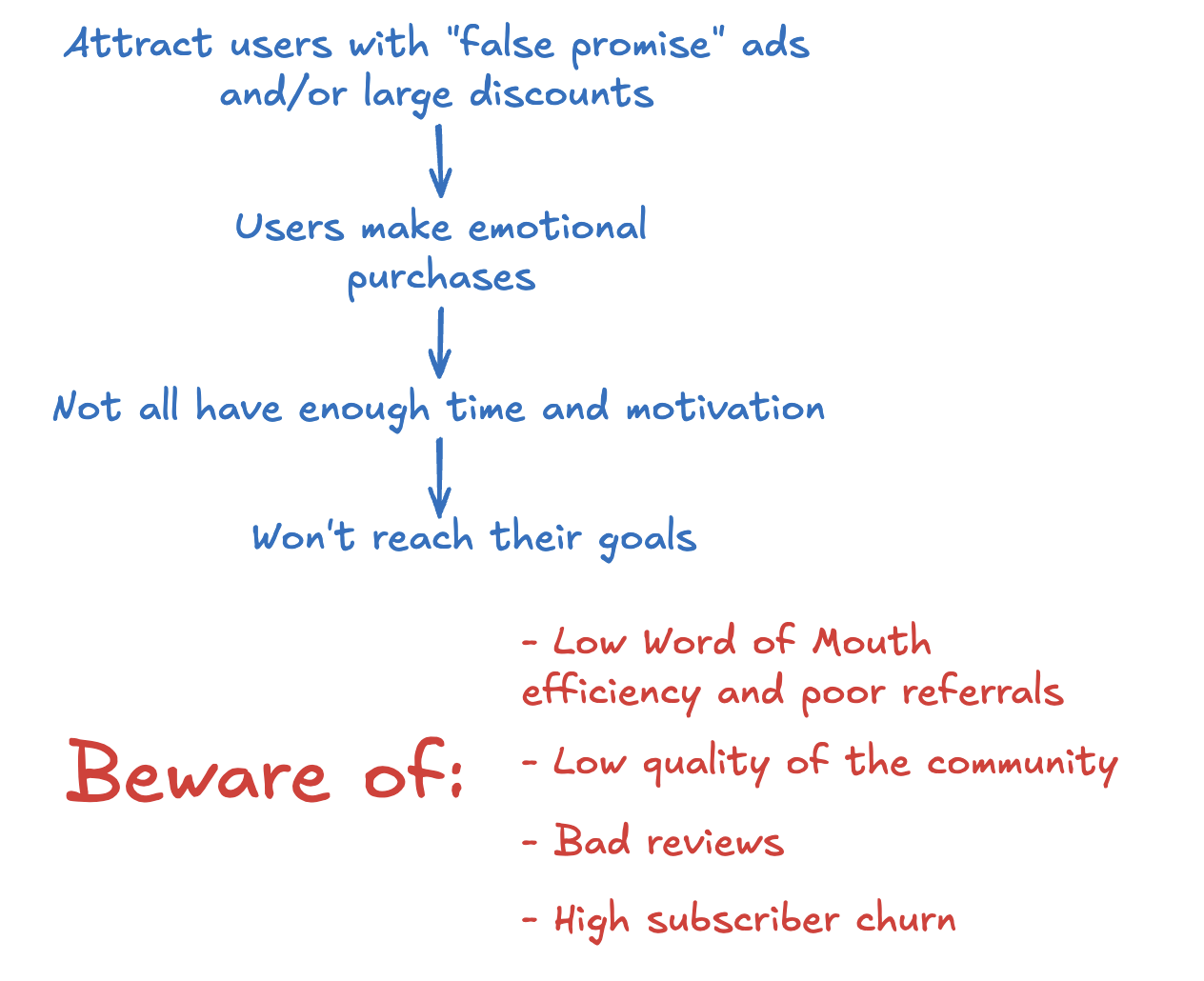
I think we don’t talk about this enough. When revenue goals are not met, when conversion rates decline, acquisition is often to blame. It’s an uncomfortable conclusion because no one on the acquisition side is ever trying to bring in the wrong users or customers.

Still, it’s undeniable that the ads, the promises you make in them, and the channels that you’re using, can be attracting the customers that you don’t intend to attract.

I’ve spent most of my career working with the “personal development” B2C apps, in EdTech, and Health and Fitness. And advertising these apps as “simple” or “the easiest” would often backfire.

Because if I make it look like there’s no effort one needs to put into building healthier eating habits, exercising, or learning to code, I risk getting customers who are not motivated enough to do the mental or physical work to improve the status quo.

A cycle I often witness:

Monetization

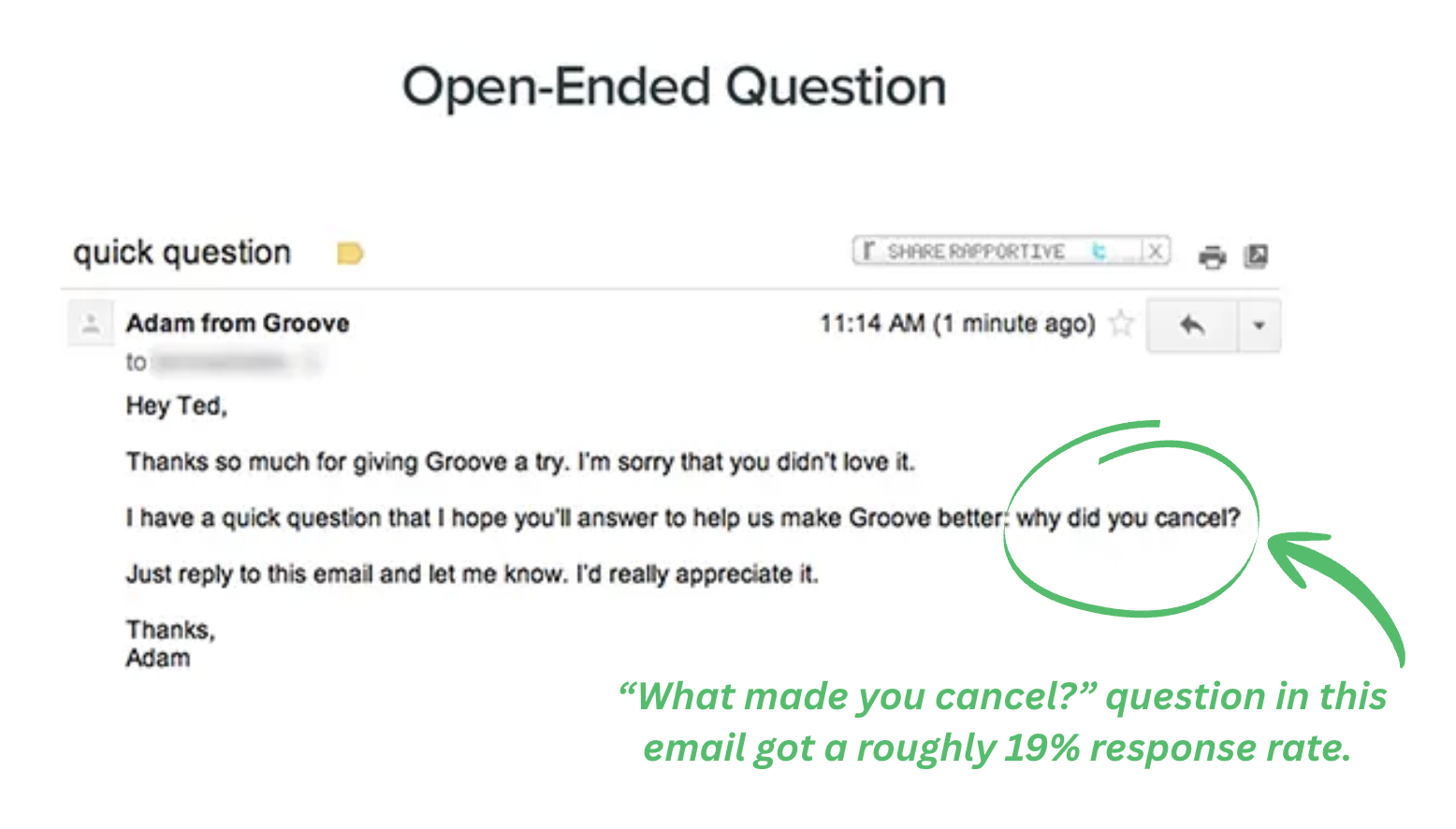
Change your cancellation survey question from 'Why did you cancel?' to 'What made you cancel?' This single word swap doubled usable response rates from 10% to 20% in a real-world test. The phrasing shift prompts customers to describe specific product or situational factors rather than giving easy, vague answers like 'budget.'

"When you do this, the wrong way is to ask, 'Why did you cancel?' Because again, this allows them to say something really simple like 'budget,' which may or may not be true. What you want to do is say, 'What made you cancel?' In other words, what about the product or situation or whatever caused the cancellation? Just phrasing it that way, you get much better results. And I stole this from a company called Groove, who has this great case study online about this very thing. They had an email that they sent out, and they started by asking, 'Why did you cancel?' They got 10% usable responses. They changed it, same email, to 'What made you cancel?' and it's 20% usable responses."

The surprising advice from a founder who built 2 unicorns | Jason Cohen (WP Engine) at 19:41 · Featured in Growth Gems #143

Sylvain's take:

groovehq.com

User Research

User Research

'Too expensive' is almost never the real reason customers cancel. They already proved price wasn't a barrier when they bought your product. When customers cite cost as the cancellation reason, dig deeper -- the real cause is almost always an unmet promise, a missing integration, or a product that didn't deliver the expected value. Accepting 'too expensive' at face value closes the door on the real, fixable problem.

"A really common one is, 'It's too expensive.' I think anyone who's looked at cancellation data at any company will agree that 'too expensive' is often the number one, or at least like top three reason in one form or another. And that is never ever ever the reason. How do I know? Because they already looked at your homepage, read all the stuff, saw what you promised, looked at the pricing page, and decided to buy it. That means whatever was in their mind of what it is was not too expensive. It was -- they already decided with their actions. It was not too expensive. Something else happened."

The surprising advice from a founder who built 2 unicorns | Jason Cohen (WP Engine) at 20:43 · Featured in Growth Gems #143

Sylvain's take:

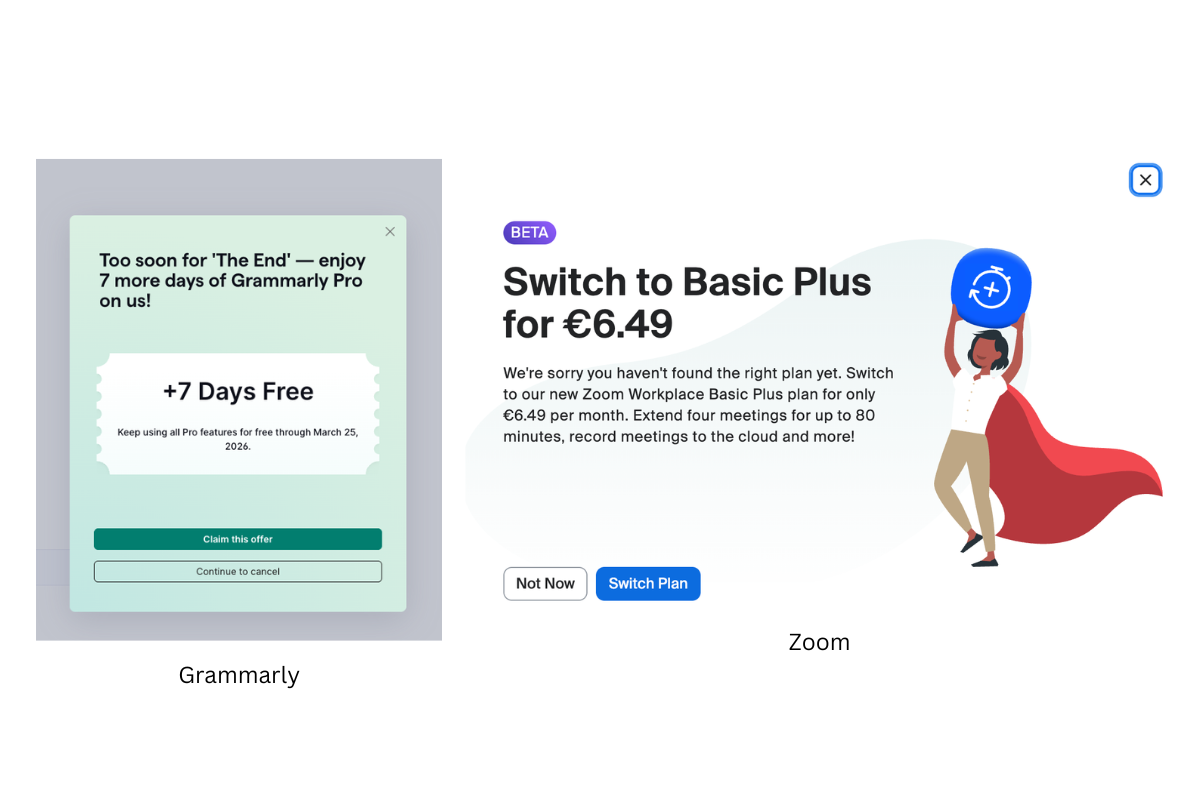
Often, when you cancel and select price as the reason, you get a discount offer, as it’s still better to keep a subscriber alive (even at a lower LTV) than lose one. Alternatively, maybe you get an extended trial offer, an offer to switch to a “lighter” plan, or to pause the subscription.

But it doesn’t mean that, at the same time, you can’t learn more about the customers’ motivations to cancel. Here are two easy-to-implement solutions:

  • Send emails. It can be an automated email triggered by the cancellation event, from which you link to a survey. Alternatively, compare this approach with creating a custom segment of users who canceled in the last few weeks or months and writing them a short personal email asking about their reasons. This way, you can skip many steps of the “email + survey funnel”. In my experience, a personal email works better than a branded template sent automatically.

    • When someone gets back to you with a reply, invite them to an interview to dig deeper into their reasoning.

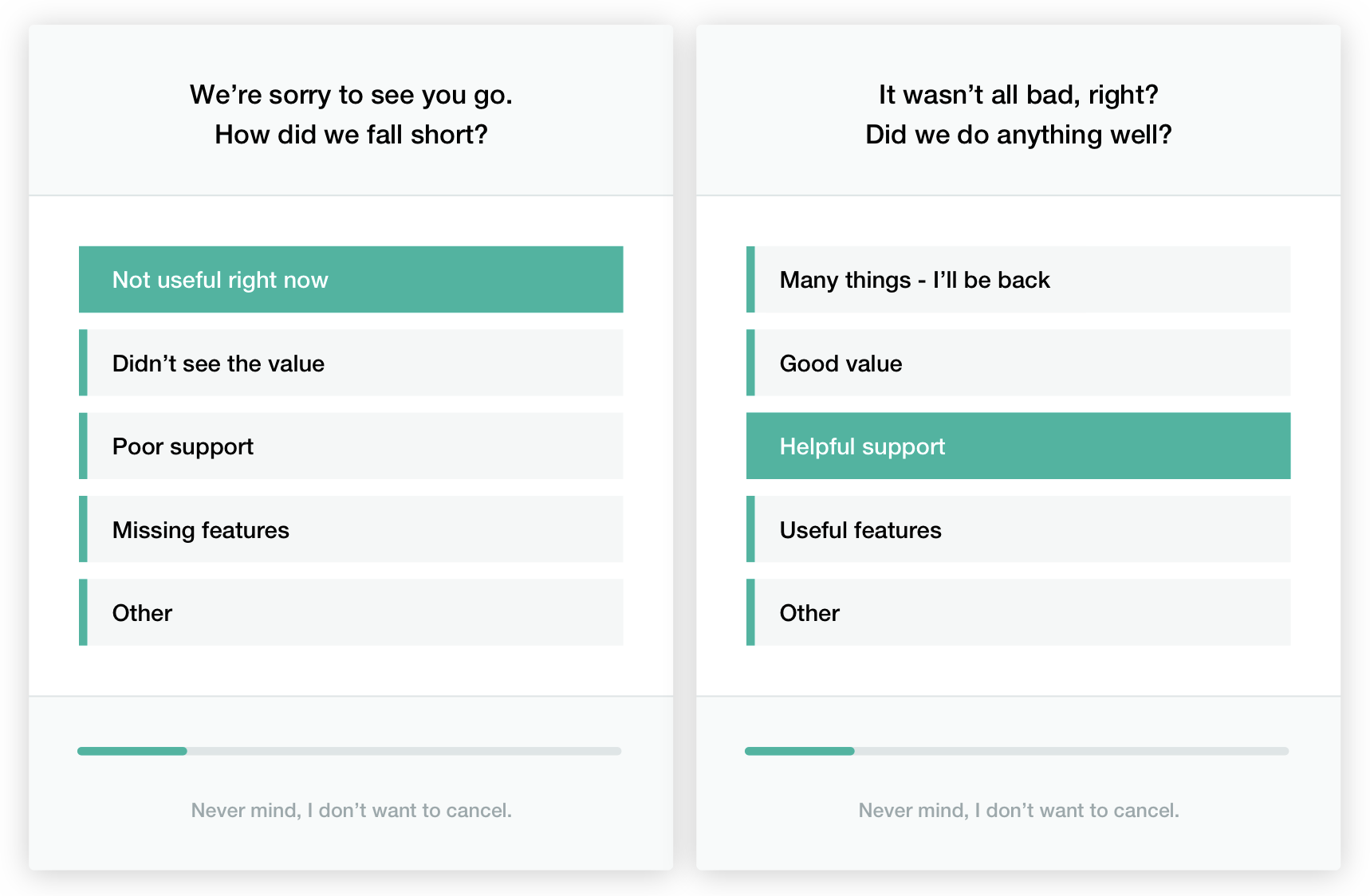
  • Paddle (via ProfitWell’s Retain product) also asks what users liked about the product.

    Retain's Cancellation Flows

User Research

Multiple-choice cancellation surveys can produce meaningless data. When we randomized the order of the cancellation reasons, every option was selected equally -- proving customers were just picking whatever was first, not their actual reason.

"We put up this form and a drop-down list, you know, too expensive, its project ended, you know, this stuff like we do so we could gather data. And one of them did have more selection than the rest. And I realized it was the first one on the list, and I thought, 'Huh, I wonder if people are just picking the first one.' So then we randomized the list so everyone saw a different order of the list, and now all the items were picked equally, like, oh, right, it's complete noise."

The surprising advice from a founder who built 2 unicorns | Jason Cohen (WP Engine) at 18:44 · Featured in Growth Gems #143

Sylvain's take:

Randomization is important for different types of surveys, not only cancellation ones. HDYHAU (How Did You Hear About Us) surveys can also get skewed if you don’t randomize the order in the list.

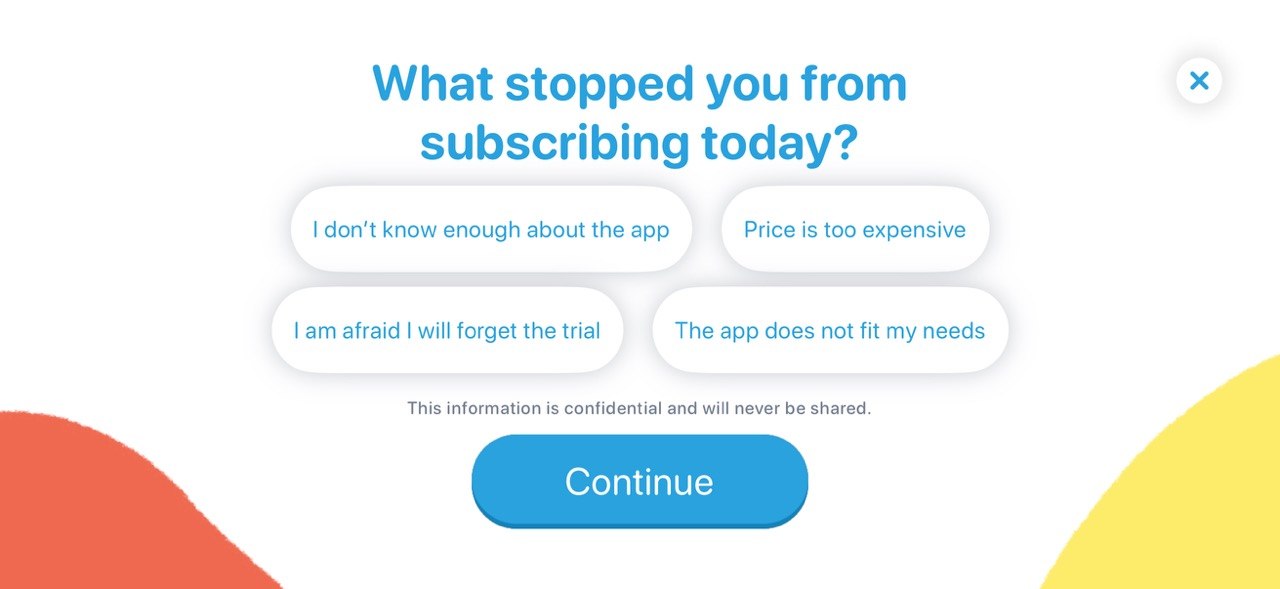
You can also experiment with layouts where all options are visible. For example, here’s how PokPok does it when someone abandons their free trial offer:

PokPok

Onboarding and Activation

Onboarding and Activation

When in doubt about how to reduce churn, invest in onboarding first. Cancellations are heavily front-loaded. Small changes in the onboarding can have large effects on cancellation rates, so improving onboarding pays off enormously in revenue and profit over time.

"If you don't know what to do or all else being equal, then focus on onboarding. Almost all companies have a whole lot more cancellation in the first day, 30 days, 90 days, depends, right? But the first period than the whole rest of the customer's life. And also small changes in the onboarding can have large effects on cancellation, whereas later on, that's not necessarily true. So if you can do a little bit in the onboarding or shift the onboarding percentage a little bit, it pays off enormously in revenue and profit over time by making them successful."

The surprising advice from a founder who built 2 unicorns | Jason Cohen (WP Engine) at 26:59 · Featured in Growth Gems #143

Sylvain's take:

Indeed, users experiencing value early on are not only more likely to retain and convert but also less likely to cancel, especially early in their journey. So, zoom into your setup, a-ha, and habit parts of the activation journey:

  1. Start by asking your churning users or customers why they churn. At this stage, they might be mostly falling into the “unhappy churn” bucket. Where did your app fail to match their expectations?

  2. Build a customer journey map and try to catch what’s “in your blind spot”. Do your users need to send documents confirming their identity via post in order to activate their account? Do they need to go through a complicated technical setup to be able to use your app? Is your app a marketplace where they can’t find what they came for? Are they in the right context/place for getting the value out of your product?

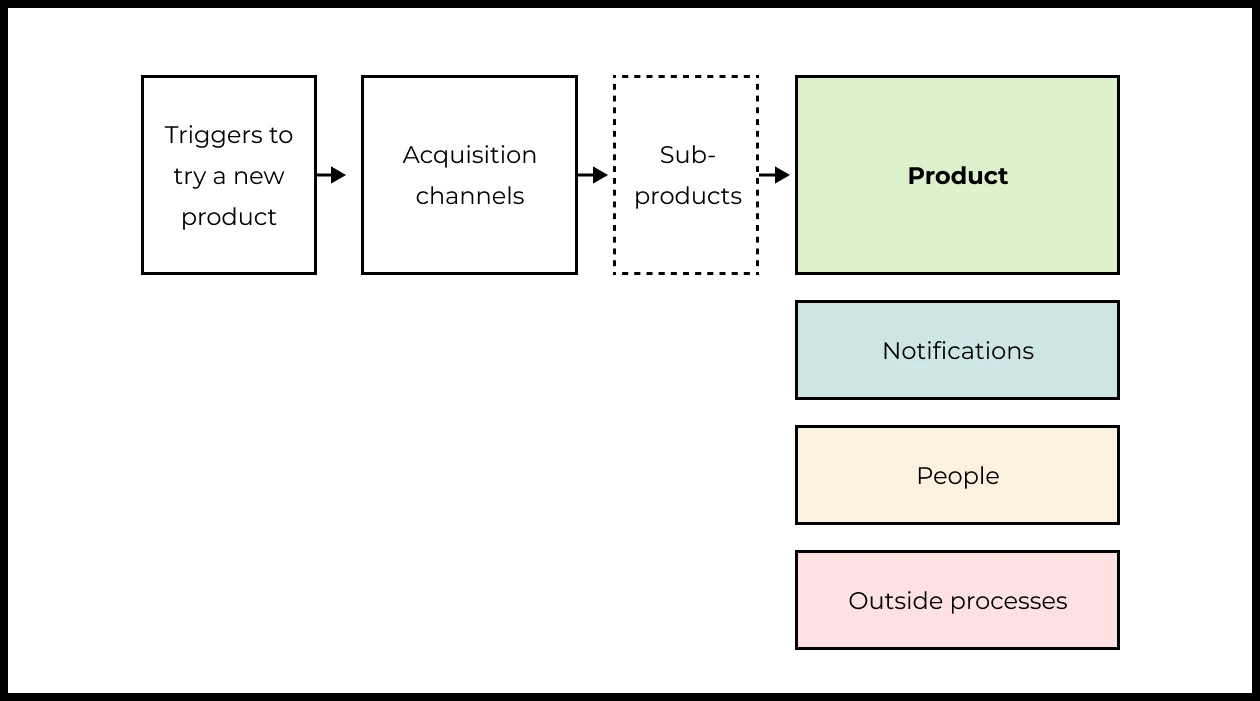
GoPractice, Activation framework

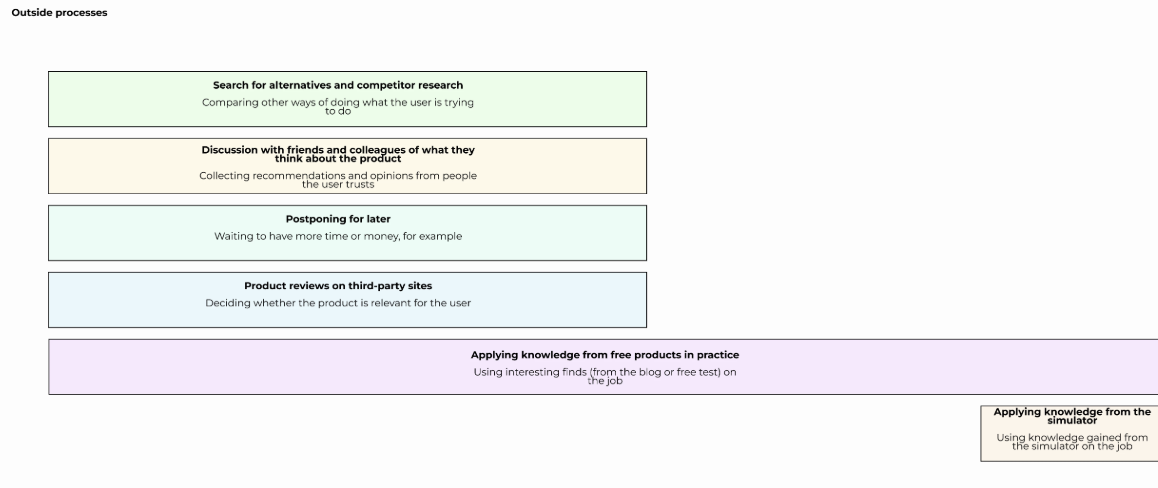
Explore the “outside processes” part, as in many cases, external factors are prerequisites for the user’s “success” and often are outside of your control.

GoPractice

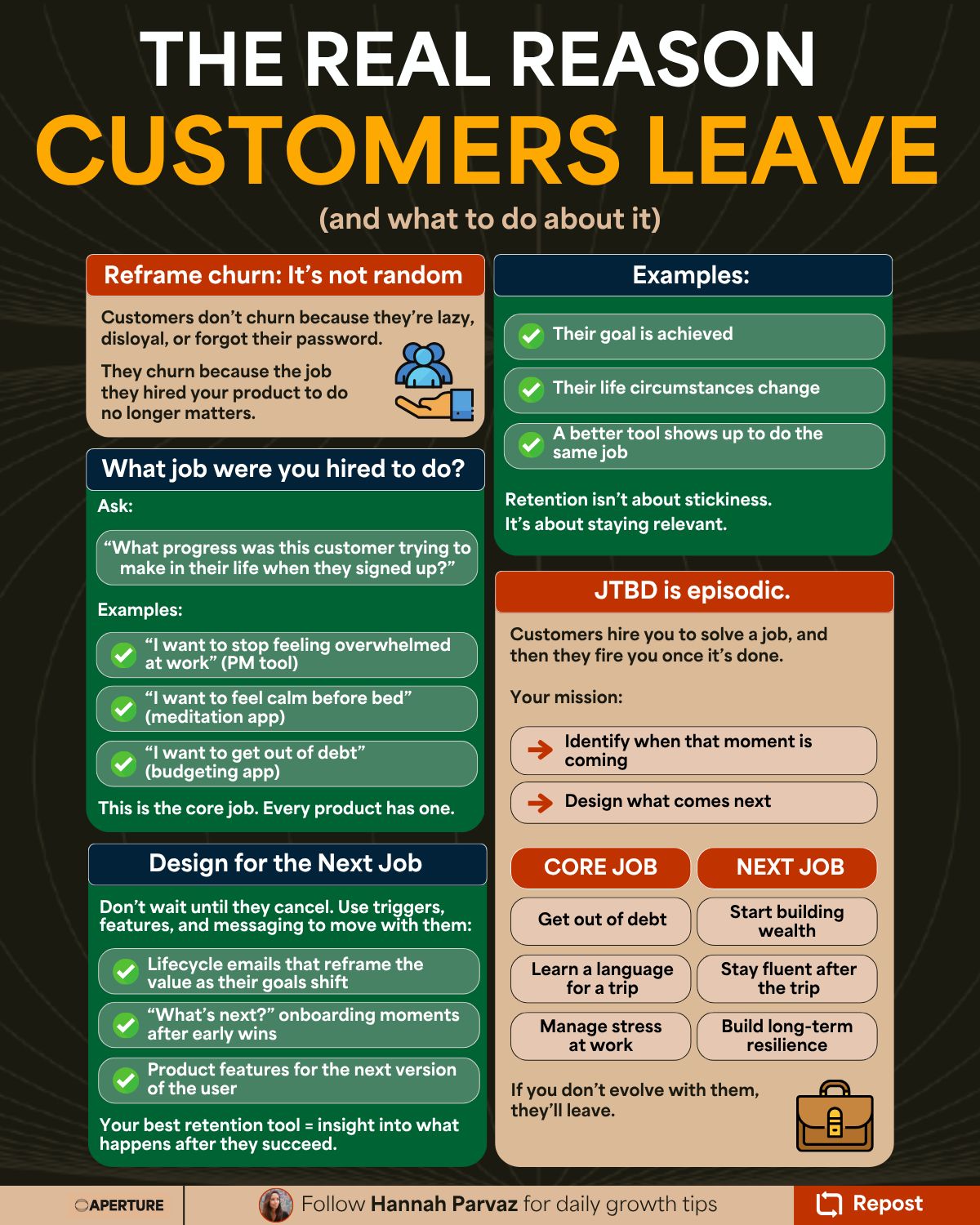
Hannah Parvaz shares a solid approach for understanding churn in this infographic: