
Growth Gems experts

Larissa Morimoto

Photoroom · LinkedIn

7 insights on Offline, Branding and Creatives from one talk or podcast, each with the quote and a link to the moment it was said.

Is this you? Suggest an edit

Offline

Offline

That's my biggest tip for anybody trying to go offline: always factor in UGC or online distribution to maximize your returns. We had 15,000 people walk by the billboard, which resulted in a lot of user-generated content.

"That ended up resulting in a lot of user-generated content. That's my biggest tip for anybody trying to go offline: that you always have to factor in UGC or online distribution to maximize your chances of return, especially of ROI. And what ended up happening was that we had 15,000 people walk by this billboard."

How One Offline Event Turned Into 4 Million Online Views – Larissa Morimoto, PhotoRoom at 9:20 · Featured in Growth Gems #146

Sylvain's take:

Larissa explained that for PhotoRoom, they rented a huge LED screen so people could walk in, experiment with the photo booth, take pictures of themselves, edit their photos, and have their images blow up on the screen. The result was not primarily the foot traffic, but a lot of user-generated content.
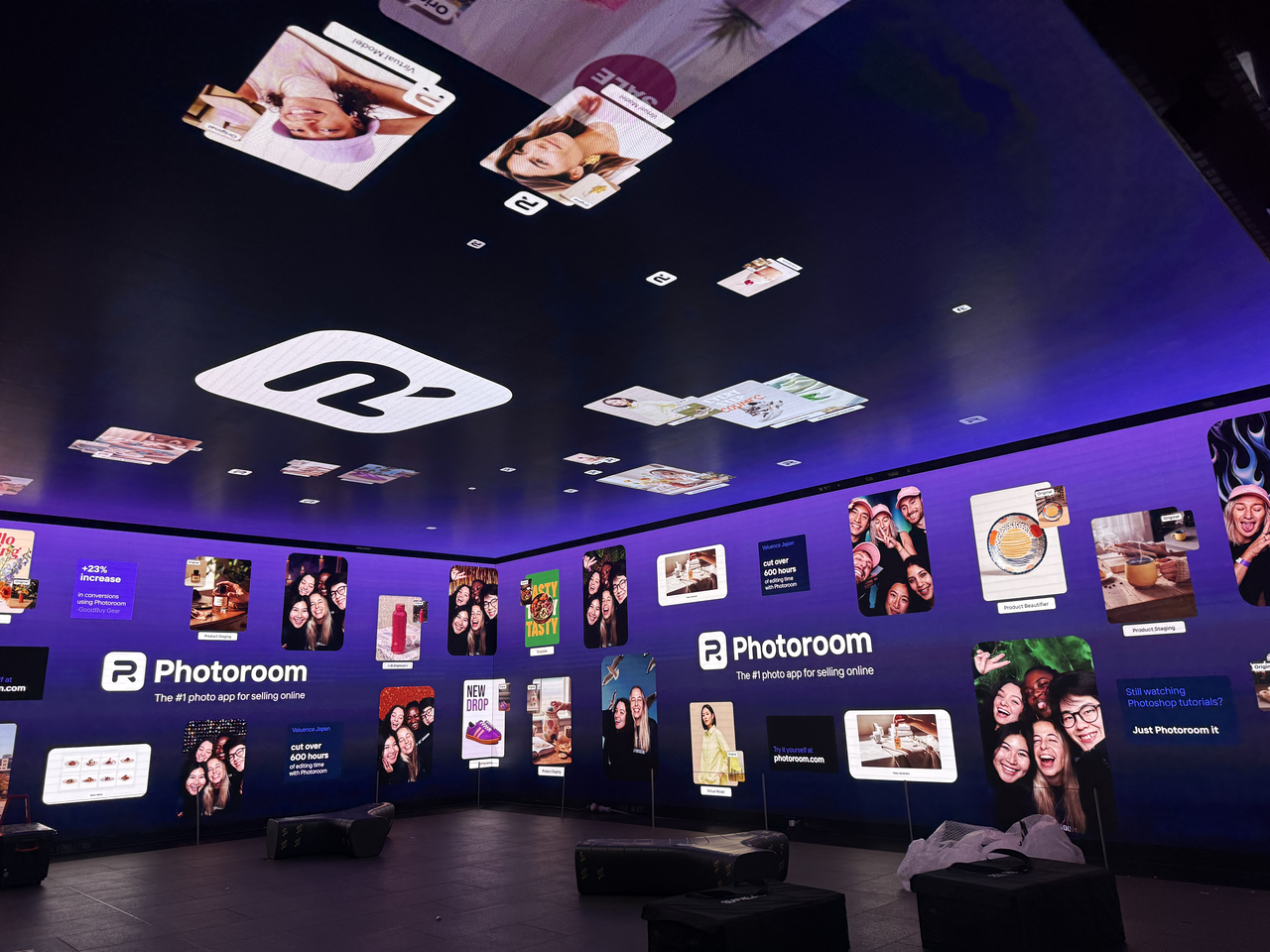
Inside PhotoRoom’s “photo booth.”

That single activation reached 15,000 people in person and generated over 4 million impressions once the UGC was repurposed online.

What that can look like in practice:

  • The more elaborate the experience, the fewer people you can typically reach, but the more memorable the experience becomes. When the experience is fun and novel, authentic user-generated content follows. This content can then be repurposed across paid ads, organic social, and other owned channels.

  • Build the experience for shareable moments. Even if you’re not PhotoRoom, you can still make it photo-worthy. If you deliberately design for the aesthetic and the moment, users, their friends, and bystanders will want to take a picture, post it, or scan a QR code.

Below are two of the UGC videos that came out of the photo booth operation.

And what if you can find an offline placement so contextually precise that it functions like direct response and “meets” your target audience where they are? This Babbel ad in an in-flight magazine with a QR code and a contextual offer hit me on the way to a conference, but could also reach people going on vacations or business trips, who are trying to pick up a few words in another language. That’s a perfectly placed offline touchpoint. By showing a handful of useful phrases for the flight, the ad delivers a first-value moment before the reader even opens the app. And this one is perfectly measurable too!
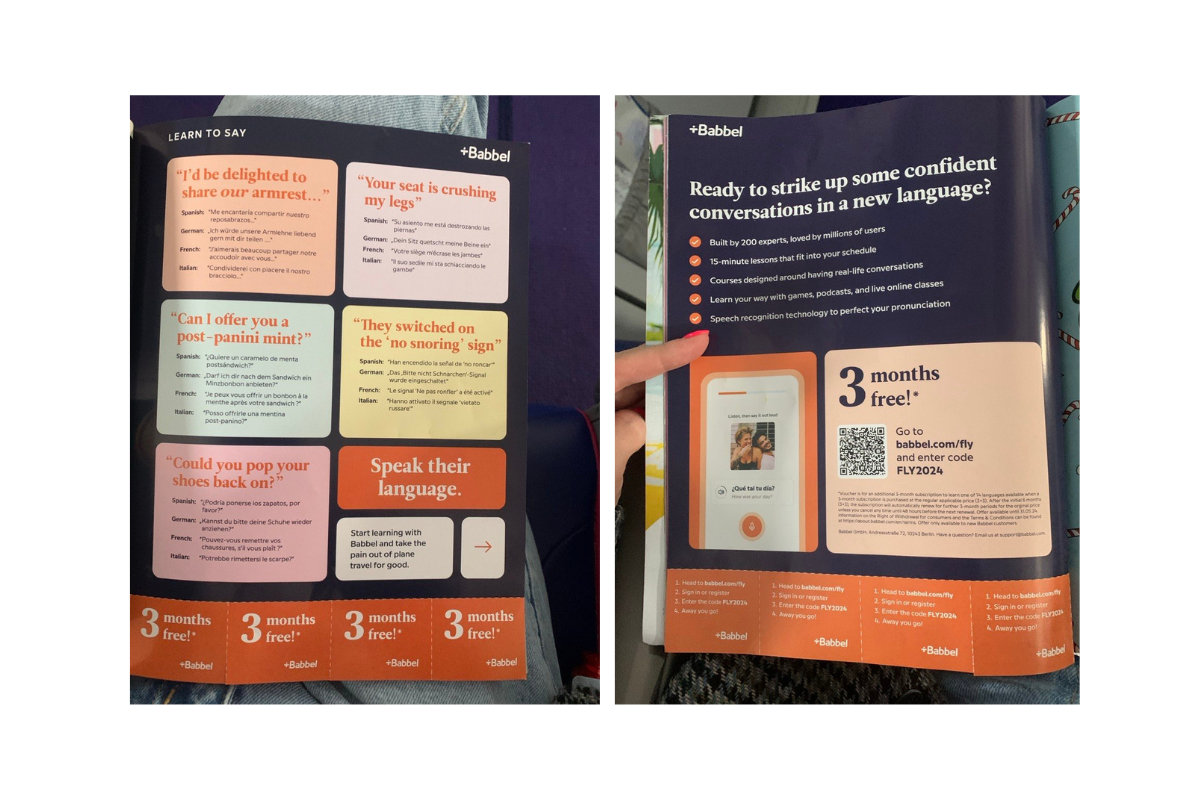
Babbel ad in an in-flight magazine
Offline

Offline marketing creates lasting brand memory in a way digital ads cannot. For AI-driven or tech-heavy apps, showing the human side of your product through in-person experiences is a powerful differentiator that builds deeper user resonance.

"Offline marketing is just something that helps crack and create memory. And if you're a digital app where you've relied so much on paid acquisition, offline marketing is just something that helps crack and create memory. People really do resonate more with your brand if they can see humans working on it. Especially in the age of AI, we're a very AI-driven project. So, it's always been important for us to have that human touch."

How One Offline Event Turned Into 4 Million Online Views – Larissa Morimoto, PhotoRoom at 3:12 · Featured in Growth Gems #146

Sylvain's take:

This one from Larissa genuinely reframed something: the more tech-heavy your app, the more a human touch can differentiate it.

For me, the question behind any offline activity or event has always been: does this benefit the user and in what way? Rather than: how does this benefit the brand? When the answer to the first question is strong, the brand benefit usually follows.

That's why group runs were a natural fit at Runtastic. At Mimo, a large user base naturally translated into virtual community events, such as live online sessions, competitions, and challenges in the app. And at MyGroove, workshops and concerts were essential, as playing music together is the reason many people pick up an instrument.

That offline can change how people feel about a brand, not just remind them of it, is an underexplored angle. It’s worth distinguishing between the "community-native offline" (where events serve users first) vs. "brand-native offline" (where events serve the brand first) activations.

Offline

A celebrity or influencer partnership works if their audience overlaps with your ICP. Reach without relevance generates zero business impact. Validate that their audience actually has a reason to care about your product's use case.

"We didn't optimize for foot traffic specifically because Kimuri's profile was very, very discreet and he didn't want anybody that he didn't know in the audience to randomly show up and potentially interact with him. And so, we kept it very, very limited to journalists and press. And we thought, okay, well, if we're already thinking about online distribution, then why not make it fully about online distribution? And so we relied 100% on press and journalists and TV coverage to maximize your chances of exposure. But since Kimuri has never a) sold online and b) doesn't have a conventional business, his audience did not care about what we were doing."

How One Offline Event Turned Into 4 Million Online Views – Larissa Morimoto, PhotoRoom at 14:20 · Featured in Growth Gems #146

Sylvain's take:

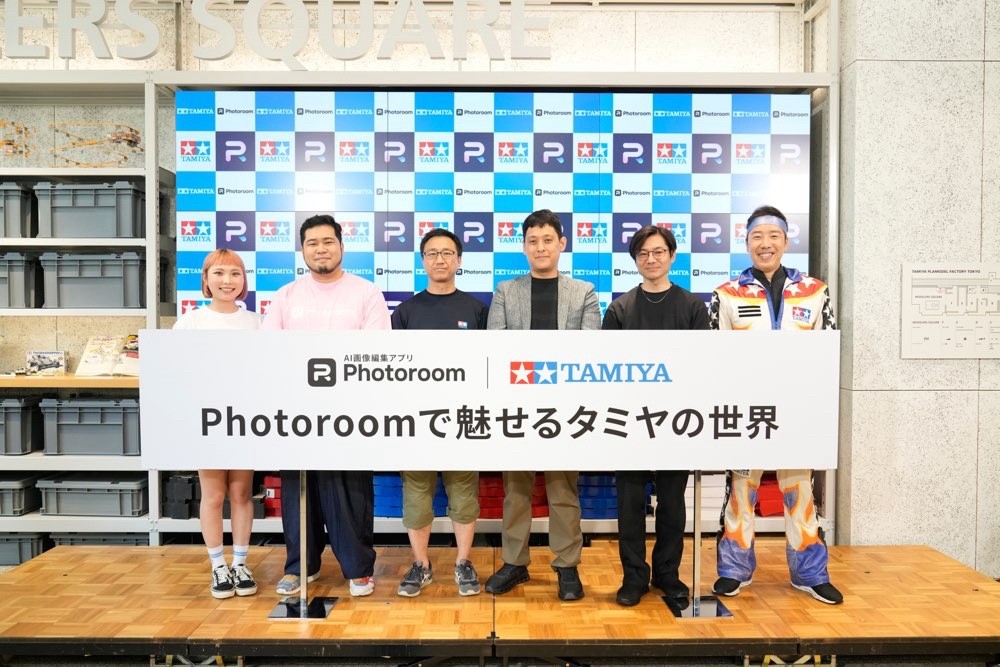
Here's a cautionary tale from Larissa's experience: “Japan is a large market for PhotoRoom. We secured a partnership with Tamiya (a well-known brand in the collectibles space) and hosted a community event at one of their recently opened offices to drive more foot traffic. We also brought in a local comedian to host the event. What we didn’t optimize for was actual foot traffic. And it showed.”

PhotoRoom’s event in Japan

Larissa adds: “If you’re going to try this strategy out, please, please, please, at least focus somewhat on your ICP or make it a very wide consumer event.”

Branding

Branding

Comparing brand campaign CPAs directly to paid acquisition CPAs is a creativity killer. The breakthrough comes when you stop measuring brand through a performance lens and instead ask: how do we build love and relationships with potential users?

"For us, I guess the moment really cracked when we stopped looking at brand from that perspective and we really looked at love and how can we really, you know, build this relationship with our potential users. And so the issue that we had before whenever we would try to do kind of brand related campaigns is that we would always compare maybe CPAs to what we were spending on paid acquisition. And that was really impacting our creativity because we were always so limited in the channels that we would explore."

How One Offline Event Turned Into 4 Million Online Views – Larissa Morimoto, PhotoRoom at 5:01 · Featured in Growth Gems #146

Sylvain's take:

Larissa adds that for brand campaigns, they track branded search uplift. They run brand awareness surveys and look at qualitative measures, rather than the traditional growth framework.

I find it useful to also look at:

  • The uplift (or lack of it) vs the baseline. Branded web traffic and/or app downloads should show an immediate signal if the campaign had an impact.

  • Whether offline activities moved brand perception or trust, e.g., conversion rates to trial or purchase, which typically happens in markets where trust is lacking.

  • The shifts in the distribution of responses to the "How Did You Hear About Us” survey, with the share of respondents citing offline channels or word of mouth growing over time.

As Adam Hadi points out in the Mobile User Acquisition show:

Creatives

Creatives

Bring your ad creative team to offline events so they can produce content that can be then repurposed across paid ads and social media.

"We actually had over 4 million views on our collected UGC campaigns. So, what we ended up doing is we brought our three ad creatives to the outer net, and so they were also there with us on the day of the campaign, and they recorded so much content that they were able to repurpose for ads and socials, and you know, even LinkedIn. I never would have thought that LinkedIn would be kind of a UGC first channel in the same way that TikTok is. But we threw some TikToks on LinkedIn, and it went, I mean, it didn't go viral, but we got way more engagement than we expected."

How One Offline Event Turned Into 4 Million Online Views – Larissa Morimoto, PhotoRoom at 10:40 · Featured in Growth Gems #146

Influencer Marketing

Influencer Marketing

Celebrity audience-product fit is more important than celebrity reach or fame. Calm's LeBron James partnership was their most expensive and worst-performing campaign because basketball fans don't care about sleep apps. Always validate audience-to-product relevance before investing in any high-profile partnership.

"I was talking to somebody who used to work at Comm, and Comm did a lot of celebrity partnerships back in the days. And I remember asking them like, 'Oh, but you partnered with LeBron James. Like that was so cool.' And they were like, 'Yeah, we did, but actually that ended up being our most expensive campaign and our worst performing campaign because LeBron James' audience actually does not care about getting better sleep. They care about basketball.'"

How One Offline Event Turned Into 4 Million Online Views – Larissa Morimoto, PhotoRoom at 16:25 · Featured in Growth Gems #146

Sylvain's take:

This one shows up in more ways than just celebrity partnerships. A few other patterns I’ve seen often play out in day-to-day work:

  1. Geographic and language mismatch. This one is often overlooked, especially when multiple teams are pitching influencers: what percentage of the creator’s audience is actually in your target markets? If your app isn’t localized into multiple languages, you risk burning impressions on an audience that can't convert.

  2. Broad offline press and media. TV appearances or news coverage in a specific market can spike branded traffic and downloads. They rarely move the bottom line and should be treated primarily as brand-awareness plays that can increase trust and credibility in the long term and thus help convert users.

  3. The credibility argument. I know of several apps that genuinely struggle to grow in more traditional markets like DACH. Not because their product isn’t good, but because those markets are later adopters, and a sustained presence helps. So, if you’re operating in markets where trust is harder to earn, the credibility argument for influencer and celebrity partnerships gets stronger.