You can not prioritize a product roadmap without having the willingness-to-pay conversation.
The art and science of pricing · Featured in Growth Gems #85

Growth expert leaderboard · Expert
14 insights on Monetization from 2 talks and podcasts, each with the quote and a link to the moment it was said.
Is this you? Suggest an edit
You can not prioritize a product roadmap without having the willingness-to-pay conversation.
The art and science of pricing · Featured in Growth Gems #85
Entrepreneurs and companies need to look into the willingness to pay much earlier, so they can understand if they are on the right track. If you have a price conversation with a potential customer, knowing if they’re willing to pay or not (and why) helps you build a better product. Why would you postpone this?
The Art And Science Of Pricing · Featured in Growth Gems #85
⛏️ Going Deeper: pitch the product that you’re about to launch, have the exact same conversation you would have if the product was launched, then ask, “what do you think is an acceptable price?”, “what do you think is an expensive price?”, and “what do you think is a prohibitively expensive price?”. You’ll figure out some “cliffs” and thresholds.
How you charge (business model) is the most important question, not how much you charge.
The art and science of pricing · Featured in Growth Gems #85
⛏️ Going Deeper: Michelin developed new, long-lasting tires but couldn’t ask for a 20% premium. So they charged based on the number of miles people can use the tire for. Truckers loved this “pay as you go” model because it was based on usage and became a variable cost they could pass off to customers.
Framework to think about packaging and bundling:
The art and science of pricing · Featured in Growth Gems #85
⛏️ Going Deeper: check out Insights from 100 SaaS Companies: Why It’s Time to Rethink Your Packaging Strategy for more on this. It says SaaS, but don’t be scared.
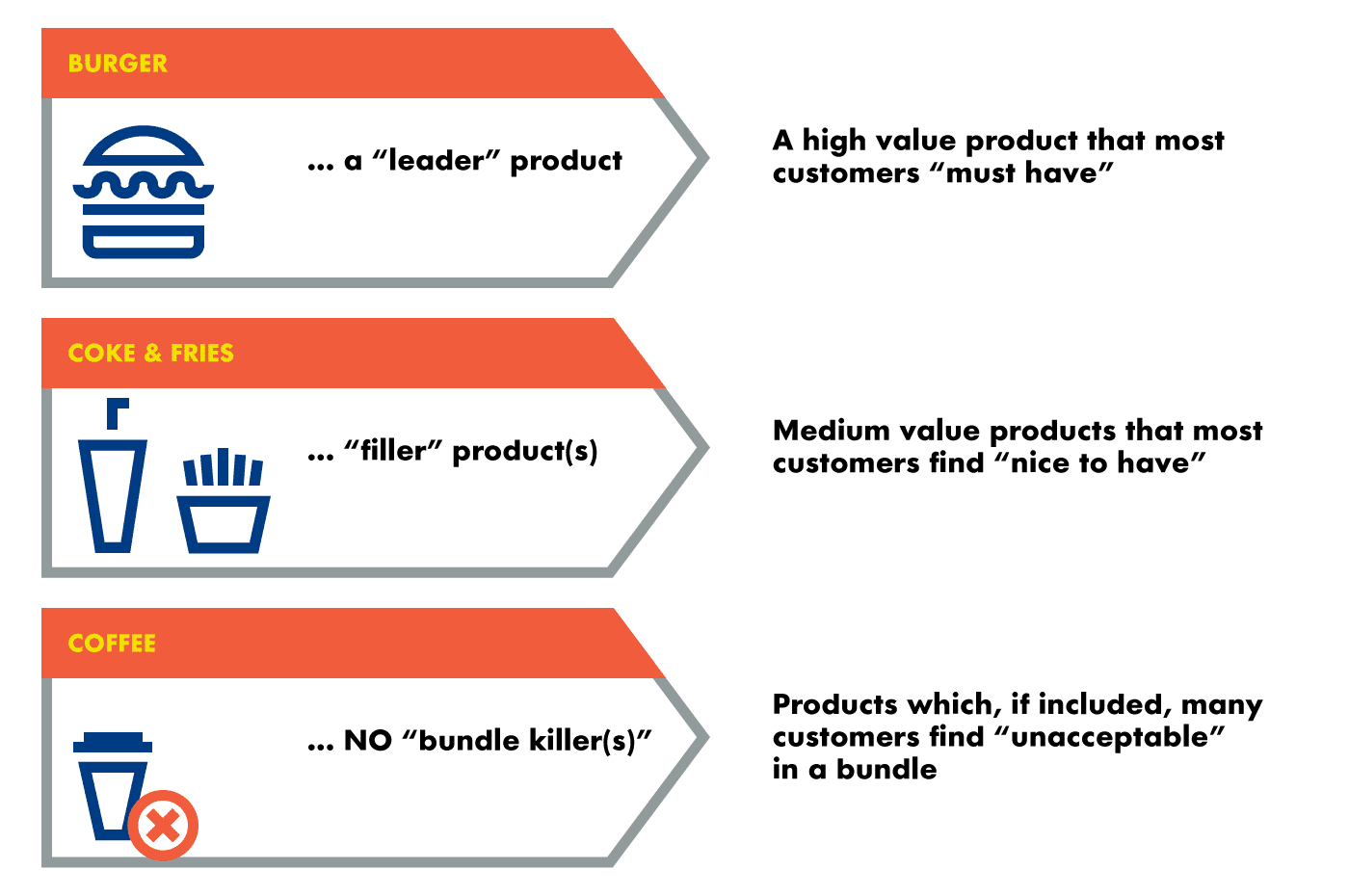
One quick tip: the rule of thumb is that if 10-20% of customers want something badly, that’s usually an add-on (unless you have an advanced package just for them). If over 50% of people want something, that’s a leader product.
You need to be able to productize to segments. If you’re trying to build a product and then trying to position it to segments, you’ve already lost the battle. Example: the water we drink can be free at the fountain, $2 at a gas station, $5 in the hotel minibar, and $8 for liquid death.
The art and science of pricing · Featured in Growth Gems #85
⛏️ Going Deeper: Madhavan later said, “one size fits none,” and shared that the key is to understand if there’s a significant market size where the needs are similar and where users are willing to pay. Same example: water at the gas station, or water at the hotel minibar, etc. When you understand these segments, define what you build for each segment. Focus on targeting one segment and having messaging for that one segment.
Pricing is a cross-functional discipline but should sit on the product side because you must design the product based on the value and what users are willing to pay for.
The art and science of pricing at 9:58 · Featured in Growth Gems #85
Pause and think about revisiting your pricing every 6 months. Between 12 and 18 months is probably a good time to revisit pricing. There are also some pivot points when it makes particular sense to change pricing: new plan, new feature, etc.
The art and science of pricing · Featured in Growth Gems #85
🤔 My 2 cents: remember “Think about your pricing just like you do your roadmap”? That’s already two experts that have the same opinion.
Instead of reducing prices (e.g., during a recession), think about non-pricing alternates:
The Art And Science Of Pricing · Featured in Growth Gems #85
Most people think of segmentation as a demographic or persona exercise, but they get it horribly wrong. Segmentation needs to be based on what customers need, what they value, and what they’re willing to pay for.
The art and science of pricing · Featured in Growth Gems #85
Willingness-to-pay methods are different for various products and stages of a company.
The art and science of pricing · Featured in Growth Gems #85
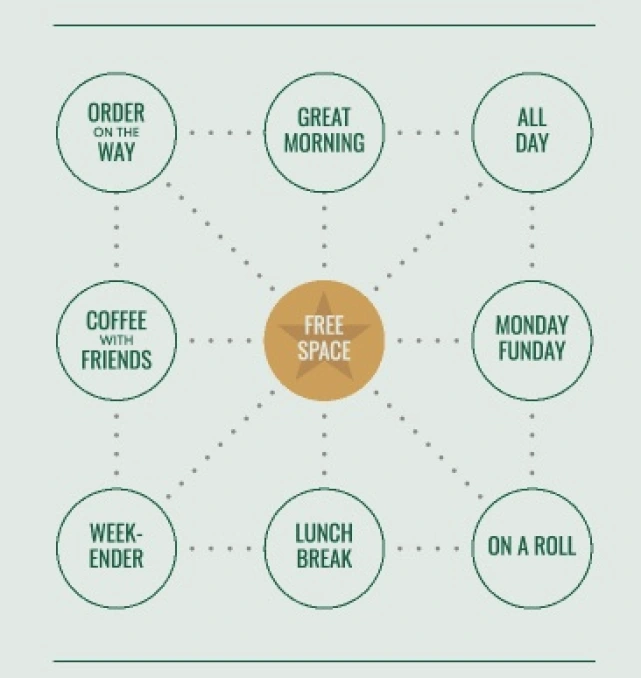
Showing a suite of products as a puzzle to be completed instead of a list of products will increase the number of people buying more products. This “panini effect” can work for both B2C and B2B. Example: Starbucks bingo card
The art and science of pricing · Featured in Growth Gems #85
It’s not just about product-market fit. It’s about achieving a product-market-pricing fit. Willingness to pay is a proxy for “do people actually value your product?”
The art and science of pricing · Featured in Growth Gems #85
When evaluating willingness to pay, you need to pitch benefits and what people get from the product. If you’re pitching features, you’re not talking value. If you’re not talking value, no one will get it.
The art and science of pricing · Featured in Growth Gems #85
You should ask about willingness to pay relatively. Example: comparing with the value another product brings, like “if Salesforce was indexed at 100 in pricing, where do you think we should be?”.
The art and science of pricing · Featured in Growth Gems #85